Corporate Flower Contracts Reigate What Businesses Should Know
Posted on 02/10/2026
If you're weighing up corporate flower contracts in Reigate, you're probably trying to solve more than one problem at once: keeping a reception looking polished, making meetings feel warmer, and avoiding the last-minute scramble of ordering flowers every few weeks. That's the real value here. Corporate Flower Contracts Reigate What Businesses Should Know is not just about pretty arrangements; it's about a reliable service that supports your brand, your staff, and the day-to-day feel of your workplace.
In practice, a good flower contract can make a front desk feel welcoming on a grey Monday, soften the edges of a boardroom, and quietly signal that your business pays attention to detail. Not flashy. Just considered. This guide walks through how these contracts work, what to look for, what can go wrong, and how to decide whether a regular floral service makes sense for your business in Reigate.

Table of Contents
- Why Corporate Flower Contracts Reigate What Businesses Should Know Matters
- How Corporate Flower Contracts Reigate What Businesses Should Know Works
- Key Benefits and Practical Advantages
- Who This Is For and When It Makes Sense
- Step-by-Step Guidance
- Expert Tips for Better Results
- Common Mistakes to Avoid
- Tools, Resources and Recommendations
- Law, Compliance, Standards, or Best Practice
- Options, Methods, or Comparison Table
- Case Study or Real-World Example
- Practical Checklist
- Conclusion
- Frequently Asked Questions
Why Corporate Flower Contracts Reigate What Businesses Should Know Matters
Let's face it: many businesses only think about flowers when something is already happening. A client visit is due. A launch event is tomorrow. A reception looks a bit bare. Then it becomes a rush job, and rush jobs rarely look thoughtful.
A corporate flower contract changes that. Instead of treating flowers as an occasional add-on, you set up a regular arrangement schedule with a florist who understands your site, your brand, and the way your team uses the space. That can be weekly, fortnightly, monthly, or tied to specific occasions.
For Reigate businesses, this matters because the local business environment is a mix of professional offices, hospitality spaces, clinics, property firms, salons, boutique retailers, and smaller independent teams that still want a polished image. A good floral display doesn't need to shout. It just needs to say, quietly, "we care about this place."
There's also a practical side. Fresh flowers can help a space feel calmer and more welcoming. In customer-facing environments, that first impression is doing more work than people realise. In staff areas, a decent arrangement can lift the room without getting in the way. Simple enough, but useful.
Expert summary: corporate flower contracts work best when they are built around consistency, easy communication, and the actual rhythms of your business rather than a one-size-fits-all package.
How Corporate Flower Contracts Reigate What Businesses Should Know Works
A corporate flower contract is usually a standing arrangement between your business and a florist. The florist supplies flowers on a regular schedule and refreshes them according to the agreement. You choose the frequency, style, budget, delivery window, and any special instructions.
Here's how it generally works in real life:
- Initial conversation. You discuss your space, the type of business you run, and what you want the flowers to achieve.
- Style and budget planning. The florist proposes arrangements that fit your brand, your interior, and your spend. Some businesses want understated whites and greens; others prefer brighter seasonal work.
- Schedule setting. Deliveries are arranged for a regular day and time. That detail matters more than people think.
- Installation or drop-off. Depending on the agreement, the flowers may be placed in reception, meeting rooms, or client areas.
- Refresh and rotation. The florist replaces tired flowers, changes the design if needed, and keeps everything looking fresh.
Some contracts are very hands-on. Others are straightforward: a box of ready-to-display arrangements, invoice at the end of the month, job done. Neither is wrong. It depends on your space and how much coordination your team can realistically manage.
One point worth stressing: the best contracts are specific. Not vague. "Nice flowers for the office" sounds fine in theory, but in practice it can lead to mismatched expectations. Better to define vase sizes, colour preferences, scent sensitivity, and whether flowers should be more formal or more seasonal. A small bit of clarity saves a lot of awkward emails later.
If your business also needs ad hoc floral support for launches, events, or client gifting, it can help to work with a florist that already offers broader services such as a corporate accounts option and reliable local delivery. That way, the same supplier understands your working style from the outset.
Key Benefits and Practical Advantages
The obvious benefit is that the space looks better. But the stronger benefits are usually the ones people feel rather than immediately measure.
- Consistency: your office, reception, or showroom always looks cared for.
- Time savings: no more last-minute runs to sort flowers between meetings.
- Brand support: colour palette, flower choice, and arrangement style can reflect your business identity.
- Better visitor experience: a tidy, welcoming space feels more professional.
- Staff morale: small touches like fresh flowers can make a workplace feel less flat.
- Seasonal variety: you can refresh the look through the year without changing your whole decor.
There's also a subtle commercial advantage. When a client walks into a room that feels considered, everything else can feel a bit more reliable too. Fair or not, people read care in the details.
For businesses that entertain regularly, or that rely on high-trust service relationships, flowers can become part of the environment rather than a decorative extra. That matters in sectors where tone and presentation play a real role. Think accountants, solicitors, design studios, estate agencies, wellness clinics, and upscale hospitality settings.
And if you already like the idea of recurring floral delivery but want something more flexible, some businesses test the waters with a regular flower delivery Reigate RH2 schedule before moving into a formal contract. It is a sensible way to get a feel for the service.
Who This Is For and When It Makes Sense
Not every business needs a standing flower agreement. Truth be told, if you only want flowers once in a blue moon, a contract may be overkill. But if your space is client-facing, frequently used, or part of a stronger brand presentation, it starts to make a lot of sense.
This is especially relevant for:
- reception-led offices
- medical, dental, or wellness practices
- restaurants, cafes, hotels, and guest areas
- sales offices and property showrooms
- creative agencies and design studios
- event venues and hospitality businesses
- high-end retail shops and boutiques
It can also work well for smaller teams. A three-person office does not need a massive arrangement; sometimes a modest vase on the desk or in the meeting room is enough. The point is the atmosphere, not volume.
Ask yourself three questions:
- Do visitors regularly come through the door?
- Does the space reflect the level of service we want people to expect?
- Would a reliable floral schedule remove hassle rather than add it?
If the answer is yes to at least two of those, a contract may be worth exploring. If your business is seasonal, such as a venue that becomes much busier at certain times of year, you might prefer a flexible arrangement instead of year-round service.
Step-by-Step Guidance
If you're setting up a corporate flower contract for the first time, keep it methodical. A tidy process now prevents the usual small irritations later.
1. Define the purpose
Start with the practical reason you want flowers. Reception only? Meeting rooms? Staff areas? A special seasonal refresh? Once you know the purpose, the rest becomes easier.
2. Set a realistic budget
It helps to decide what you are comfortable spending before looking at designs. There is no magic number here. The right budget is the one that fits the value the flowers bring to your business.
3. Choose the frequency
Weekly works well for high-visibility spaces. Fortnightly may be enough for quieter environments. Monthly can be a good balance if you want impact without too much upkeep. You might even use different frequencies for different areas.
4. Agree the style and colour direction
Be specific. If your office is all clean neutrals and glass, a wild, oversized arrangement might feel wrong. Likewise, a very formal design can feel stiff in a relaxed studio. A good florist will help you match the flowers to the mood of the room.
5. Discuss practical details
Will arrangements be delivered in vases? Do you need low-fragrance flowers? Is there a security desk, loading bay, or narrow reception entrance? These small details are the ones that can trip things up if left unspoken.
6. Clarify who is responsible for what
Who accepts deliveries? Who puts flowers out? Who notices when something needs replacing? A contract works best when the handover is clean. Otherwise it becomes "someone else's job," which is how flowers end up waiting around in a corridor.
7. Review after the first few cycles
After a couple of delivery rounds, check whether the arrangements suit the space. Maybe the size is right but the colour is too bold. Maybe the timing is off by one day. Small adjustments are normal. That is part of a good service, not a problem.
Expert Tips for Better Results
After working with business clients, one thing becomes clear pretty quickly: the best flower contracts are the ones that feel effortless to the people receiving them.
Here are a few things that genuinely make a difference:
- Match the arrangement scale to the room. A grand display in a small reception can feel cramped. A tiny arrangement in a big lobby can disappear completely.
- Use the contract to support brand tone. You do not need to say "corporate" in the old, stiff sense. Modern businesses often want softer, fresher, more natural designs.
- Think about scent. In some settings, a heavy fragrance can be distracting. Low-scent flowers are often the safer choice.
- Rotate seasonally where possible. Seasonal flowers usually feel more appropriate and can stop the space looking predictable.
- Keep a backup plan for busy periods. Christmas week, event week, or end-of-quarter chaos can throw off delivery routines. A florist who knows this in advance is worth their weight in gold.
One small but important thing: ask for a point of contact. A named person, even if only by email, makes communication much smoother. When a delivery problem happens at 8:45 on a Tuesday, you will be glad you did.
And yes, flowers are a visual detail, but they are also a service detail. That sounds dry, maybe, but it is true.
Common Mistakes to Avoid
Most problems with corporate flower contracts are not dramatic. They are the predictable, avoidable kind. A bit boring, honestly, which is exactly why they matter.
- Being too vague about expectations. "Fresh flowers" is not enough. Fresh, yes, but what style? What size? What colour?
- Choosing based on price alone. Cheap can be fine if the result fits your needs. But the lowest price often misses service quality, reliability, or presentation.
- Ignoring the layout of the space. A floral arrangement needs to work with the room, not fight it.
- Forgetting practical access issues. Delivery times, building entry, parking, and reception hours all matter.
- Not reviewing the contract. Frequency, replacement policy, payment terms, and break clauses should all be clear.
- Over-ordering for the wrong areas. One strong focal point is often better than flower-heavy clutter everywhere.
A very common misstep is assuming the florist will automatically know what "corporate" means to you. They may know plenty about floral design, but they do not live in your office. You need to paint the picture. Not with a huge essay, just enough detail to be useful.
Tools, Resources and Recommendations
You do not need specialised software to manage a flower contract, but a few simple tools help keep everything on track.
- A shared delivery calendar: useful if several people manage the office.
- A basic style note: a short document that lists preferred colours, vase type, fragrance sensitivity, and placement.
- Photo references: even two or three images can help communicate the feel you want.
- Invoice tracking: especially helpful if flowers are part of office management, hospitality, or client care budgets.
In terms of product choices, it may help to speak in categories rather than specific stems at first. For example, you may want elegant whites for a boardroom, brighter mixed tones for a creative reception, or seasonal arrangements for a hospitality space. If you want to browse broader retail styles before deciding, categories such as luxury flowers, flowers in a vase, or florist choice can be useful reference points.
For businesses that prefer a more cost-conscious approach, it can also be smart to compare contract arrangements against the florist's cheap flowers Reigate RH2 options or broader best flower delivery Reigate RH2 availability, depending on how much flexibility you need.
And if you are still feeling your way through local suppliers, looking at a trusted florist Reigate RH2 can give you a better sense of style, service, and responsiveness before you commit to a longer-term setup.
Law, Compliance, Standards, or Best Practice
For most corporate flower contracts, the main legal and compliance issues are practical rather than complicated. Still, businesses should keep a few points in mind.
If flowers are delivered into a workplace, someone should be clear about acceptance, responsibility, and storage. That matters for health and safety, particularly in busy reception areas or shared premises where boxes, water, or stems could create a small slip risk if not handled properly.
If you are in a regulated environment such as healthcare, or a setting with accessibility needs, low-fragrance arrangements and sensible placement may be the safer choice. It is also worth checking that displays do not block entrances, corridors, signage, or access routes. Obvious stuff, yes, but it gets missed.
Contract terms are worth reading carefully too. Look for:
- payment terms
- delivery frequency
- replacement policy if flowers arrive damaged
- notice period for changes or cancellation
- who is responsible for vase return, if relevant
- whether seasonal substitutions may be made
On the supplier side, it is sensible to choose businesses that are transparent about their policies. Pages such as guarantees, delivery, returns and refund, and terms and conditions can tell you a lot about how a florist handles real-world issues. That transparency is reassuring, and in my view it matters more than fancy wording ever will.
Best practice is simple: document the agreement, keep communication open, and review the setup every so often instead of letting it drift. No drama needed.
Options, Methods, or Comparison Table
There are a few common ways businesses approach flowers. Some want a formal contract. Others prefer occasional orders. A few go for a hybrid model. Here's a practical comparison.
| Option | Best for | Advantages | Possible drawbacks |
|---|---|---|---|
| Ongoing corporate contract | Reception-led or client-facing businesses | Consistency, reliability, less admin | Less flexible if your needs change suddenly |
| Scheduled ad hoc orders | Smaller offices or variable spaces | More flexibility, lighter commitment | Easy to forget, less consistent presentation |
| Seasonal or event-based service | Venues, hospitality, launches, peak periods | Good for specific occasions, controlled spend | Not ideal for everyday visual impact |
| Hybrid approach | Businesses with regular and occasional needs | Balances consistency and flexibility | Needs a bit more planning |
If you are not sure which approach suits you, start with the space itself. A quiet back office does not need the same level of floral support as a front-of-house showroom. That sounds obvious, but people often try to apply one solution everywhere. It rarely works.
Case Study or Real-World Example
Here's a simple real-world scenario. A small professional firm in Reigate wants its reception area to feel more welcoming for client meetings. The team currently buys flowers whenever someone remembers, which means the arrangement is sometimes fresh and sometimes a little sad by Thursday afternoon. Not ideal.
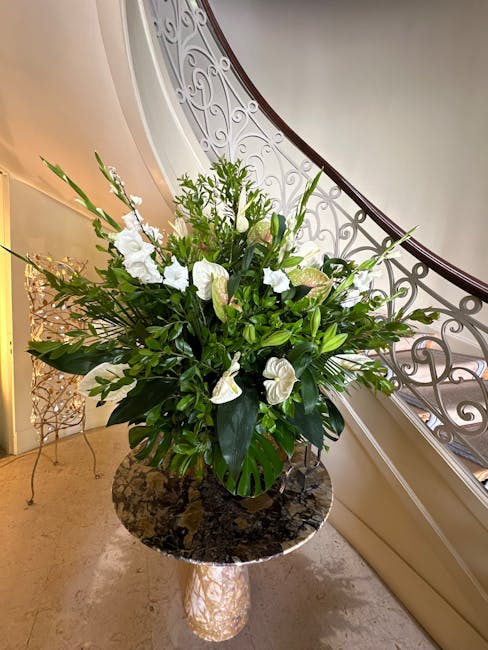
They set up a regular flower contract with a local florist. After a short conversation, they agree on a low, elegant arrangement in soft whites and greens for the reception desk, refreshed every two weeks. They also ask for a slightly larger seasonal arrangement in the meeting room once a month.
What changes?
- Reception looks consistent.
- Staff no longer waste time sorting emergency flowers.
- Visitors notice the room feels calmer and more considered.
- The business can plan the spend instead of reacting to it.
Nothing dramatic happened. That is exactly the point. The flowers simply became part of the service standard. Quietly better. That is usually the sweet spot for a business like this.
In some cases, the same florist may also handle occasional gifts for staff or clients, such as a corporate gifting order or a polite thank-you arrangement after a successful meeting. It keeps everything in one place, which is handy when the diary is already full.
Practical Checklist
Use this checklist before you agree to a corporate flower contract:
- Have you identified the exact spaces that need flowers?
- Do you know your preferred frequency?
- Have you set a realistic monthly or per-delivery budget?
- Are your brand colours or style preferences clear?
- Have you considered scent sensitivity and accessibility?
- Do you know who will receive deliveries?
- Have you checked access, parking, and building rules?
- Is the payment process clear?
- Do you understand the cancellation or pause terms?
- Have you asked how substitutions are handled if a flower is unavailable?
- Will the florist provide vases or reuse existing ones?
- Have you agreed how feedback will be shared after the first delivery?
If most of those are already covered, you are in good shape. If not, no panic. Better to sort the details now than half-way through a busy week when everyone is in a rush and somebody has misplaced the invoice again.
Conclusion
Corporate flower contracts in Reigate are a practical, brand-friendly way to keep business spaces looking polished without constant effort from your team. When they are set up properly, they do more than decorate a room. They support first impressions, reduce admin, and make the working environment feel more deliberate.
The main thing to remember is this: the right contract is the one that fits your space, your budget, and your daily reality. Keep it clear, keep it specific, and choose a florist who listens as well as designs. That combination usually works well. Better than "nice flowers" and hope, anyway.
If you are planning your next step, start small if you need to. Define the room, define the goal, and compare a couple of options before committing. A thoughtful arrangement can say a lot without trying too hard. And sometimes that's exactly what a business needs.
Get a free quote today and see how much you can save.
When the details are handled well, the whole place breathes a little easier.
Frequently Asked Questions
What is a corporate flower contract?
A corporate flower contract is a regular arrangement between a business and a florist for ongoing flower delivery, display, and refreshes. It is usually tailored to the space, budget, and frequency you need.
How often should office flowers be changed?
That depends on the setting, but weekly, fortnightly, and monthly schedules are common. Busy or high-visibility spaces often need more frequent refreshes, while quieter rooms may be fine with less frequent changes.
Are corporate flower contracts expensive?
They can be as modest or as premium as your business wants them to be. Cost usually depends on arrangement size, flower choice, delivery frequency, and whether installation or maintenance is included.
Can I choose the style and colours?
Yes, and you should. Most businesses benefit from giving the florist clear direction on style, colours, fragrance level, and how formal or relaxed the arrangements should feel.
Do corporate flower contracts include vases?
Sometimes they do and sometimes they do not. It is worth asking early, because vase provision can affect both the presentation and the total cost.
What if flowers arrive damaged or wilt quickly?
You should check the florist's replacement or guarantee policy before signing. Good suppliers usually have a clear process for dealing with damaged or unsatisfactory arrangements.
Can I pause a flower contract during holidays or quiet periods?
Many suppliers allow pauses or adjustments, but the terms vary. If your business has seasonal slow periods, mention this at the start so the agreement can be built around it.
Are there flowers that are better for workplaces?
Yes. Many workplaces prefer low-fragrance, tidy-looking flowers that suit shared spaces and do not dominate the room. The best choice depends on the environment and any sensitivities.
What makes a corporate flower contract different from one-off ordering?
A contract gives you consistency, predictable timing, and less admin. One-off ordering can work for occasional needs, but it rarely gives the same polished, always-ready feel.
Should small businesses in Reigate use a flower contract?
If the business welcomes clients, wants a better first impression, or simply wants less hassle, yes, it can be a very sensible option. Small spaces often benefit from smaller arrangements rather than none at all.
How do I compare florists for a corporate contract?
Look at reliability, communication, style, pricing clarity, delivery flexibility, and policies for substitutions or replacements. A good florist should be easy to talk to and clear about what you are getting.
Is seasonal variation worth it?
Usually, yes. Seasonal arrangements often feel fresher and more natural, and they can stop the space from looking repetitive. A little variation goes a long way.
Can flowers support my brand image?
Absolutely. The right arrangement can reinforce brand tone, whether that means calm and elegant, bright and creative, or premium and formal. It is a small visual cue, but it matters more than many businesses expect.